“the sexually immoral, men who practice homosexuality, enslavers, liars, perjurers, and whatever else is contrary to sound doctrine,”
— Paul · 1 Timothy 1:10
MEDIUM · EVIDENCE GRADEFACTUAL RECORD
Faith was one of the great engines of British abolition — while other Christians defended slavery with the same Bible. Both facts are documented; neither is softened here.
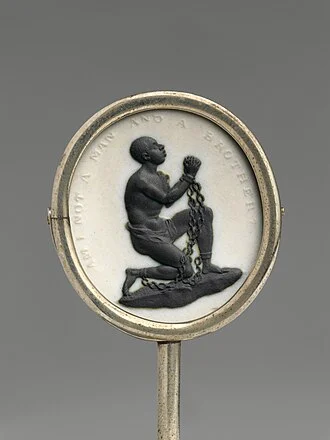
The abolitionist medallion, 1787
Image credit & licence
Josiah Wedgwood · CC0 · This file was donated to Wikimedia Commons as part of a project by the Metropolitan Museum of Art. See the Image and Data Resources Open Access Policy
Paul lists “menstealers” — slave traders — among the lawless, and the abolitionists leaned on that word for forty years. So did the traders' own chaplains, who read the same Book the other way, and the atlas will not bury that: both pulpits are in the record, and the branch called “Christians on Both Sides” carries the whole ugly argument.
What the documents support is this: without the evangelical networks, the Quaker organizers, and Wilberforce's faith-driven persistence in parliament, Britain's slave trade does not end in 1807. That is why the field is graded medium and not higher — one engine among several, but an engine that was there.
EVIDENCE VS. COUNTERFACTUAL
This label distinguishes a factual historical record from the interpretation built around it. A well-documented event or influence pathway does not prove that no alternative history could produce a similar result. Grade note: attribution or causal weight is contested; both sides are stated
STRONGEST OBJECTION(S)
Both extremes — that Christianity caused abolition, or that it was irrelevant — are indefensible; the honest claim is that it was a major engine among several, which is why this sits at medium.
The causal chain — tap (i) for detail
01Equal-worth teaching reaches the evangelical revival Evangelical and Quaker opposition to slavery joined religious conviction to demands for public action. The argument that enslaved people shared equal human worth helped challenge the interests sustaining the trade. This stage also requires the opposite evidence: many Christians profited from slavery or defended it, and religious conviction did not produce agreement automatically.
02Wilberforce, Clarkson, Newton — the campaign, 1787–1833 Wilberforce, Clarkson, Newton and their colleagues contributed different forms of work to the British abolition campaign. Parliamentary argument depended on evidence gathered from ships, witnesses and commercial records, as well as public organizing. Christian motivations matter historically, but so do the testimony and resistance of enslaved and formerly enslaved people.
03Slave Trade Act 1807 · Slavery Abolition Act 1833 The 1807 act prohibited the British slave trade, while the 1833 legislation addressed slavery in much of the British Empire. These were different legal steps, with limits and consequences requiring separate examination. Naming both prevents the misleading impression that one parliamentary vote ended every form of slavery or exploitation throughout the world.
04Global abolition movements adopt the campaign model Abolition campaigning helped demonstrate how petitions, evidence, consumer pressure and organized membership could be combined across a country. Later movements could adapt that repertoire to other causes. The inheritance is a practical method of advocacy as well as a moral argument, and later users did not all share the original campaigners’ faith.