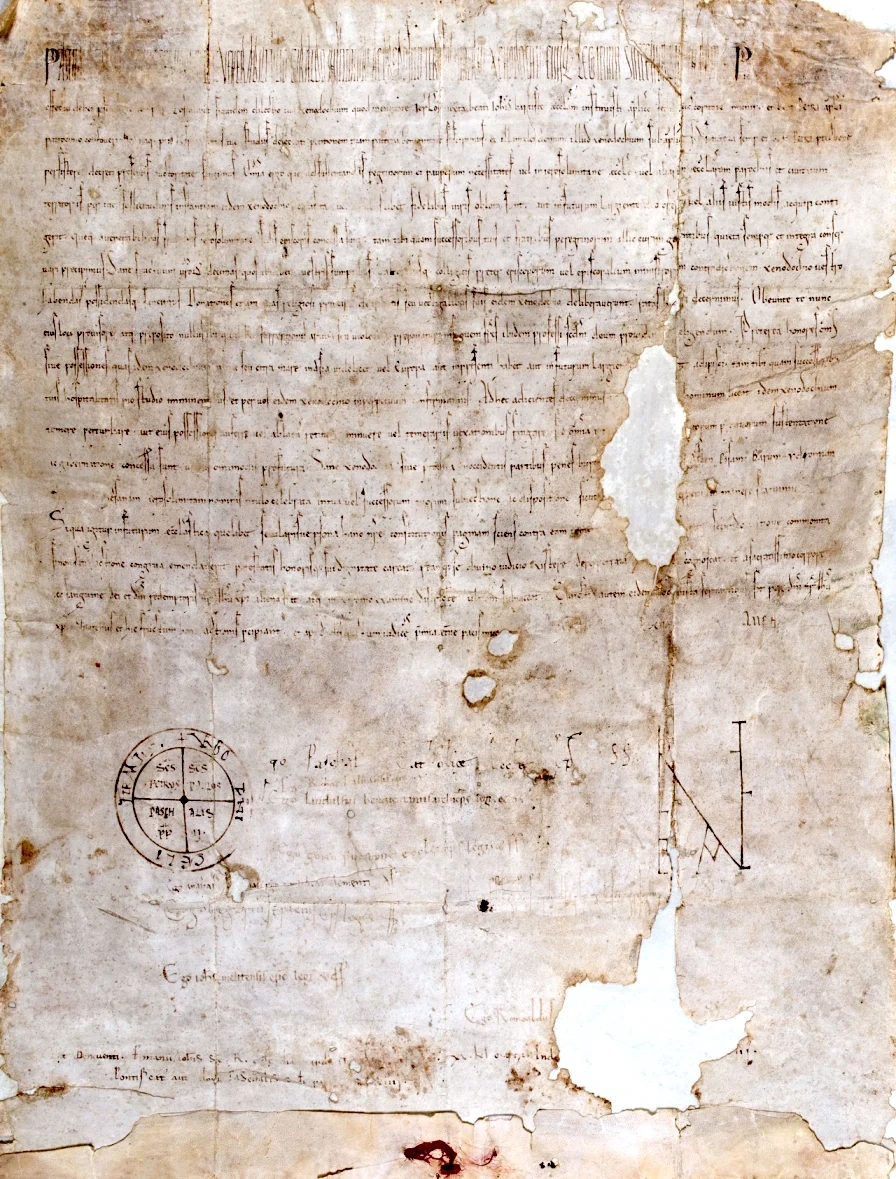
When a crusading order's first duty turned out to be running a hospital in Jerusalem, the pattern was set: compassion, organized, outlasting the individuals who felt it. The Red Cross, the Salvation Army, World Vision — the founding generation of organized relief was overwhelmingly Christian, and many of the largest agencies still are.
The funding has secularized — that fact is printed too. But if you trace any major relief organization's family tree, the roots run through a pulpit more often than through a parliament.
EVIDENCE VS. COUNTERFACTUAL
This label distinguishes a factual historical record from the interpretation built around it. A well-documented event or influence pathway does not prove that no alternative history could produce a similar result. Grade note: the influence pathway is well documented; replacement remains a separate question
STRONGEST OBJECTION(S)
States and secular donors now fund most emergency aid; the founding generation, though, was overwhelmingly Christian — and many of the biggest agencies still are.
The causal chain — tap (i) for detail
01The care mandate made organized The obligation to assist a neighbour can lead beyond individual generosity to organized responses. Christian communities created durable networks through which people, money and practical help could be mobilized. The important step is movement from a personal duty to a repeatable institution, capable of continuing when the original giver is no longer present.
02The Knights Hospitaller — a hospital order under arms The Hospitallers combined a tradition of care with the political and military circumstances of the crusading era. Their history therefore contains charitable service and armed power. Following this stage requires holding those functions together, rather than treating a hospital order as either a modern neutral aid agency or a purely military institution.
03Mission stations carry clinics and medicine worldwide Mission stations in many regions included clinics, dispensaries or other medical care. Their effects depended on local participation, medical knowledge and relations with colonial power. Some services became lasting institutions, while paternalism and coercion also require attention; a clinic’s contribution does not settle every question about the wider mission system.
04Modern faith-based agencies: World Vision and others Modern faith-based agencies operate within a large international field of humanitarian and development organizations. Religious commitments may motivate their work, but delivery also depends on professional standards, funding and local partnerships. Their place in this chain is the continuation of organized service, with methods and responsibilities shaped by contemporary conditions.