
Without Jesus
Case WJ-V-02-02 · Concept
THE ATLAS›V · POLITICS›TWO POWERS — CHURCH & STATE›LIBERTY OF CONSCIENCE

Liberty of Conscience

ENGLISH STANDARD VERSION (ESV)

“Now the Lord is the Spirit, and where the Spirit of the Lord is, there is freedom.”

— Paul · 2 Corinthians 3:17
MED-HIGH · EVIDENCE GRADEINTERPRETIVE THESIS

Liberty of conscience — argued from theology by Roger Williams, in Locke's Protestant key — enters constitutionalism.
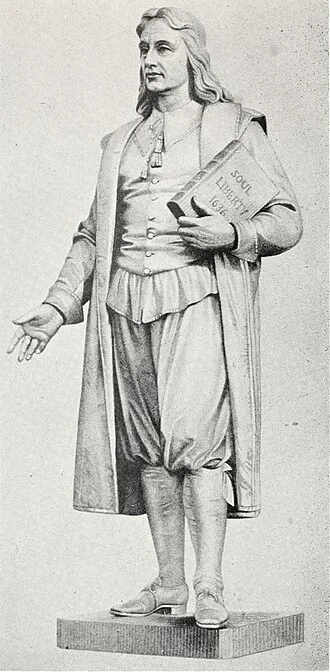
Roger Williams — soul-liberty in Rhode Island
Image credit & licence

Public domain

Original image and licensing

Roger Williams, exiled for his convictions, founded Rhode Island on a principle the world had never seen in a charter: the civil state may not touch the soul. Locke later developed a major philosophical argument for toleration, though his own account had exclusions and limits. These ideas interacted with other political and religious arguments before entering later constitutional traditions. Some influential arguments for religious toleration came from Christian dissenters, while earlier and parallel traditions also debated religious difference and limits on state power.

EVIDENCE VS. COUNTERFACTUAL

This is an interpretive synthesis: the sources support elements of the story, but the overall causal weight remains open to historical debate. Grade note: a substantial pathway, with important contributing streams

STRONGEST OBJECTION(S)

Locke's toleration famously excluded Catholics and atheists; the doctrine's Christian roots and its limits were written by the same pen.

The causal chain — tap (i) for detail
01Williams founds Rhode Island on soul-liberty Williams’s defence of religious liberty arose from disputes about the proper relationship between civil authority and faith. Rhode Island became an important colonial setting for putting such arguments into practice. Its significance is a particular political and religious experiment, not proof that the protection of conscience had no earlier advocates or parallel histories.
02Locke's Letter Concerning Toleration Locke distinguished the responsibilities of government from the care of religious belief in his argument for toleration. That distinction offered later readers a powerful political resource. His exclusions also matter: the letter should be read as a historically influential, limited argument rather than as a complete statement of equal religious liberty for everyone.
03Conscience as a constitutional category Constitutional protection can turn an argument about conscience into a constraint on public authority. The American First Amendment belongs to a later setting shaped by several colonial experiences and political debates. Williams and Locke are relevant contributors to that background, but the constitutional settlement cannot be assigned to one thinker or one theological tradition alone.PRESENT DAY
Encounter the Gospel invitation →