“He answered, “Whether he is a sinner I do not know. One thing I do know, that though I was blind, now I see.””
— the healed man, in John · John 9:25
MEDIUM · EVIDENCE GRADE
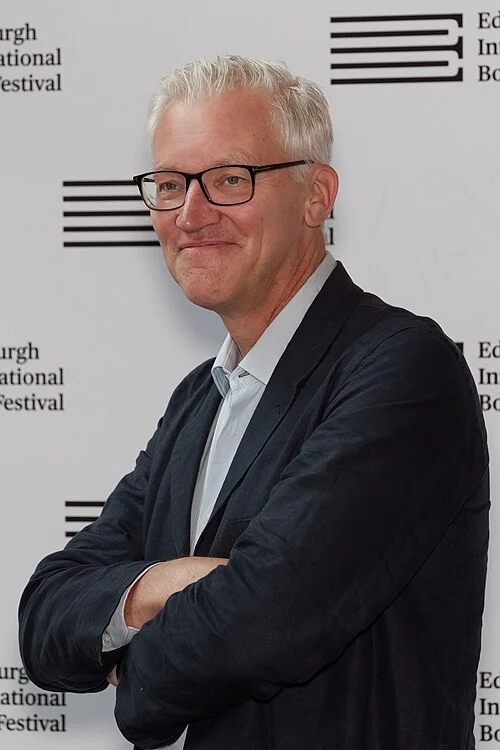
An agnostic historian of antiquity who concluded, to his own surprise, that the West's most treasured values are not nature's defaults but Christian inheritance — and wrote Dominion to make the case to readers outside the churches.
Tom Holland — the agnostic who mapped the inheritance
The record, plainly: professional historians have challenged his emphases in the reviews, and he welcomes the argument; we grade his entry at medium for exactly that reason — the case is strong, the debate is live.
EVIDENCE VS. COUNTERFACTUAL
This is an interpretive synthesis: the sources support elements of the story, but the overall causal weight remains open to historical debate. Grade note: attribution or causal weight is contested; both sides are stated
The causal chain — tap (i) for detail
01A historian of Rome and Islam — not a believer Holland's work on ancient societies supplies the comparative background for his argument about Christian influence. His personal relationship to religious belief should not be frozen into a label and used as a guarantee of impartiality. What matters historically is how the comparisons are supported and what they reveal or leave unexplained.
02He notices his own moral reflexes have a birth date Contrasting ancient admiration for power with modern concern for victims gives the argument a vivid starting question. The proposed Christian contribution must then be tested against texts, practices and alternative explanations. A moral intuition can have a history without every element of it descending from one tradition or following the same path in every society.
03Dominion (2019): the Christian revolution remade the West Dominion presents a broad interpretation of Christianity's role in Western moral development, using a long narrative to connect distant periods. That scale makes the book accessible and ambitious while creating questions about selection and causal emphasis. It belongs in the Atlas as an argued interpretation that can be examined, rather than a substitute for the individual evidence.
04The argument reaches audiences the churches cannot Public discussion carried the book's thesis to readers who might not encounter it through church teaching or specialist historical work. Reviews and disagreement are part of that reception, not obstacles to mentioning it. The influence at this stage concerns the circulation of an argument about Christianity, which is distinct from proving every part of the argument correct.
Sources
§Tom Holland, Dominion: How the Christian Revolution Remade the World (2019) · ENTRY REVIEWED 2026-09-26T2 · SCHOLARSHIP