“as we look not to the things that are seen but to the things that are unseen. For the things that are seen are transient, but the things that are unseen are eternal.”
— Paul · 2 Corinthians 4:18
HIGH · EVIDENCE GRADE
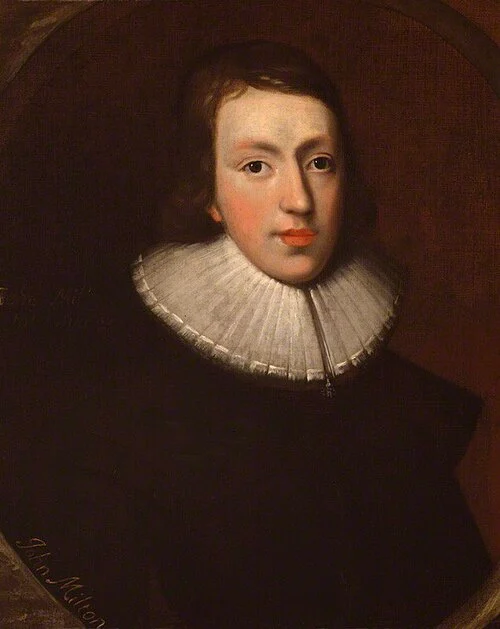
Blind, defeated and in danger after the fall of the cause he served, he dictated an epic of the Fall that fixed how the West imagines Eden, Satan, and free will — Paradise Lost.
John Milton — the blind poet of Paradise Lost
Image credit & licence
anonymous · Public domain · one or more third parties have made copyright claims against Wikimedia Commons in relation to the work from which this is sourced or a purely mechanical reproduction thereof. This may be due to recognition of the "sweat of the brow" doctrine, allowing works to be eligible for protection through skill and labour, and not purely by originality as is the case in the United States (where this website is hosted). These claims may or may not be valid in all jurisdictions. As such, use of this image in the jurisdiction of the claimant or other countries may be regarded as copyright infringement. Please see Commons:When to use the PD-Art tag for more information.
The record, plainly: his politics were revolutionary and his marriage pamphlets read badly today; the blind republican who defended regicide also wrote the greatest poem of God's justice in the language.
EVIDENCE VS. COUNTERFACTUAL
This is an interpretive synthesis: the sources support elements of the story, but the overall causal weight remains open to historical debate. Grade note: the influence pathway is well documented; replacement remains a separate question
The causal chain — tap (i) for detail
01Puritan controversialist; Latin secretary to the republic Milton's religious and political commitments informed his participation in the upheavals of seventeenth-century England. Work for the republic placed his writing inside immediate struggles over authority and legitimacy. That setting helps explain the stakes of his later work, while his poetry cannot be reduced to a disguised statement of one party's programme.
02Blindness and political ruin Blindness and the Restoration changed the material and political conditions under which Milton wrote. Dependence on assistance and the loss of the cause he had served belong to the circumstances of composition. They can illuminate the work's concerns with freedom and obedience without making every poetic choice a direct translation of personal misfortune.
03Paradise Lost dictated, 1658–63; published 1667 Dictation and assistance enabled the production of Paradise Lost, whose first publication in 1667 brought an ambitious biblical epic to readers. The poem elaborates material far beyond the concise Genesis narrative through characterization, argument and imaginative scenes. Its literary account should therefore be distinguished from the biblical text it interprets.
04The shape of English epic and the Western imagination of the Fall Later readers and writers encountered the Fall through Milton's striking representations of Satan, Eden and human choice. Responses ranged from admiration to criticism of his theology, politics and characterization. That sustained argument is itself part of the poem's influence, showing how a Christian epic can shape imagination even among readers who resist its intended conclusions.