“When they had finished breakfast, Jesus said to Simon Peter, “Simon, son of John, do you love me more than these?” He said to him, “Yes, Lord; you know that I love you.” He said to him, “Feed my lambs.””
— Jesus · John 21:15
HIGH · EVIDENCE GRADE
The most-read preacher in the English language built Stockwell Orphanage on the family-cottage plan — small homes with house-mothers, not barracks — the layout modern foster care would eventually copy.
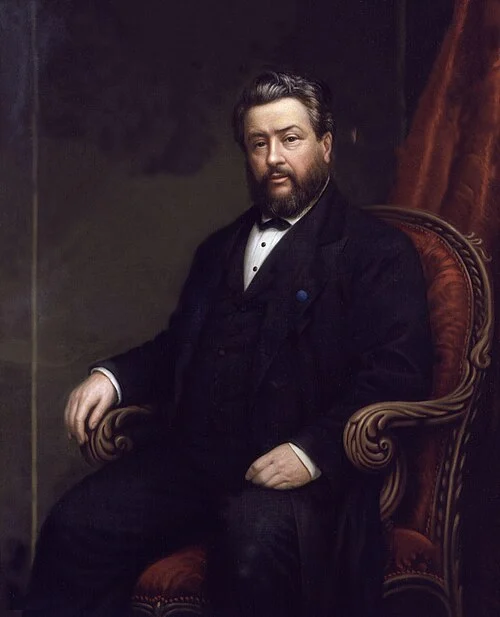
Charles Spurgeon — the pastor of the orphanage
Image credit & licence
Alexander Melville · Public domain · one or more third parties have made copyright claims against Wikimedia Commons in relation to the work from which this is sourced or a purely mechanical reproduction thereof. This may be due to recognition of the "sweat of the brow" doctrine, allowing works to be eligible for protection through skill and labour, and not purely by originality as is the case in the United States (where this website is hosted). These claims may or may not be valid in all jurisdictions. As such, use of this image in the jurisdiction of the claimant or other countries may be regarded as copyright infringement. Please see Commons:When to use the PD-Art tag for more information.
The record, plainly: he smoked cigars, fought denominations publicly, and sank into depression; the orphanage was built by a man who knew the inside of the dark, which is perhaps why his houses had lamplight.
EVIDENCE VS. COUNTERFACTUAL
This is an interpretive synthesis: the sources support elements of the story, but the overall causal weight remains open to historical debate. Grade note: the influence pathway is well documented; replacement remains a separate question
The causal chain — tap (i) for detail
01Conversion in a snowstorm chapel (1850) Spurgeon described his conversion in a small chapel as a decisive encounter with the call to trust Christ. That account later became part of his preaching and public identity. Its significance lies in the message he believed he had received and transmitted, rather than treating the weather or every remembered detail as a cause of his later success.
02The London pulpit that filled the Surrey Gardens London preaching and the circulation of printed sermons extended his audience well beyond people physically present. Publishers, congregations and readers helped create that reach, making the pulpit part of a wider communications network. The result explains how a minister could mobilize attention and support for projects outside the immediate act of preaching.
03Stockwell Orphanage (1867): the cottage-family plan Stockwell Orphanage connected Spurgeon's public influence with a lasting charitable undertaking. Grouping children in smaller domestic units expressed an approach to care that differed from a single large dormitory. The design is historically significant, but the quality of care must be judged through staffing, relationships and children's experience as well as architectural intentions.
04Foster care's small-house layouts descend from it Smaller household arrangements became part of wider debates about institutional childcare, while family-based fostering has its own longer and varied histories. Similar layouts alone cannot establish that modern foster care descended from Stockwell. The defensible connection is a contribution to discussions of more personal care, with any direct borrowing requiring specific documentary evidence.