“Now there are also many other things that Jesus did. Were every one of them to be written, I suppose that the world itself could not contain the books that would be written.”
— John · John 21:25
VERY HIGH · EVIDENCE GRADEFACTUAL RECORD
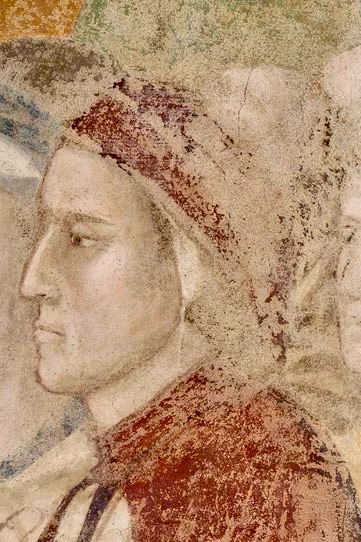
Dante to Dostoevsky — and even the great anti-Christian literature is written inside the tradition it attacks.
The pilgrim's road, the fall, the redemption arc, the enemy with the sympathetic monologue — the narrative grammar of Western storytelling was set by the Commedia and The Pilgrim's Progress, and every novel since has either used it or argued with it. Even the great atheist literature — Nietzsche, Sartre, Camus — is written against the tradition, which is still to write inside it.
Other traditions produced epics; the objection is fair. The claim is the density of the Christian thread in Western letters — which is almost too easy to document.
EVIDENCE VS. COUNTERFACTUAL
This label distinguishes a factual historical record from the interpretation built around it. A well-documented event or influence pathway does not prove that no alternative history could produce a similar result. Grade note: the historical record and pathway are especially well established
STRONGEST OBJECTION(S)
Other traditions produced epics too; the claim is the density of the Christian thread in Western letters — which is almost too easy to document.
The causal chain — tap (i) for detail
01The Gospel narrative and the pilgrim's road Gospel narratives and Christian accounts of pilgrimage, trial and redemption offered writers characters and patterns they could use, alter or resist. Their influence is best shown through particular works. Not every journey story or moral conflict can be assigned a Christian origin merely because a resemblance can be found.
02Dante's Commedia; Milton's Paradise Lost Dante and Milton built major works around theological worlds, drawing on biblical material and Christian learning. Their achievements also depended on classical sources, politics and artistic choices. The connection is direct in subject and structure without reducing either poem to a simple restatement of church teaching.
03Bunyan, Dostoevsky, Tolstoy Bunyan, Dostoevsky and Tolstoy engaged Christian questions in different literary forms and personal circumstances. Their works explore moral responsibility, suffering and the relation of a life to faith. Grouping them identifies a continuing conversation, while the books and their disagreements require examination on their own terms.
04Lewis and Eliot, 20th-century inheritors Writers such as Lewis and Eliot carried Christian concerns into twentieth-century literary and cultural settings. Their work shows that inherited religious material remained creatively active rather than merely surviving as a historical reference. The reception differed between authors and genres, including imaginative fiction, poetry and direct reflection on belief.
05Rejection literature as inheritance A writer can oppose Christianity while responding to its stories, institutions or moral claims. That is a form of reception, but it does not turn disagreement into hidden belief. The evidence is the identifiable material being answered, with the writer’s actual intentions and arguments kept in view.