
Without Jesus
Case WJ-VII-03-02 · Concept
THE ATLAS›VII · ARTS & MUSIC›LITERATURE›NARNIA & MODERN FANTASY

Narnia & Modern Fantasy

ENGLISH STANDARD VERSION (ESV)

“and said, “Truly, I say to you, unless you turn and become like children, you will never enter the kingdom of heaven.”

— Jesus · Matthew 18:3
HIGH · EVIDENCE GRADEFACTUAL RECORD

Lewis's Christian imagination seeded modern fantasy's moral universe.
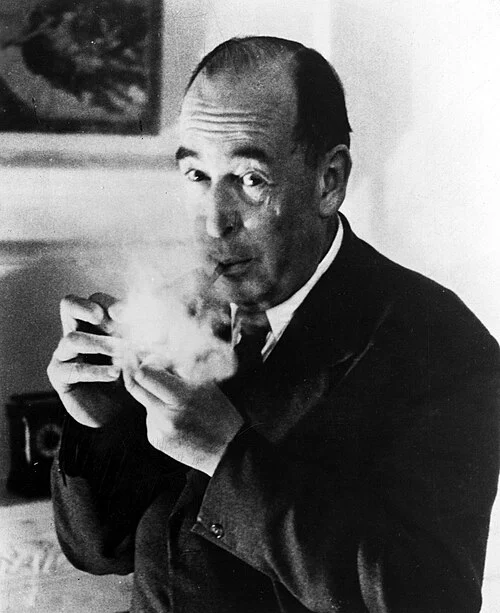
Narnia — the argument dressed as a story
Image credit & licence

John S. Murray · Public domain · Dust jacket of Lewis, C. S. (1957) Till We Have Faces: A Myth Retold. (1st ed.), Category:New York: Harcourt, Brace and Company Immediate source: raptisrarebooks.com/product/till-we-have-faces-c-s-lewis-first-edition-rare-fine-dust-jacket/. Higher quality version from Touchestonemag.com.

Original image and licensing

An Oxford scholar of medieval romance wrote children's stories with the incarnation hidden in the plot — and invented the modern fantasy genre's moral physics in the process. Tolkien objected to the allegory; the two friends built differently from the same faith, and genre fantasy's debts are shared between them.

EVIDENCE VS. COUNTERFACTUAL

This label distinguishes a factual historical record from the interpretation built around it. A well-documented event or influence pathway does not prove that no alternative history could produce a similar result. Grade note: the influence pathway is well documented; replacement remains a separate question

STRONGEST OBJECTION(S)

Tolkien disliked allegory and said so — the two friends built differently from the same faith; genre fantasy's debts are shared between them.

The causal chain — tap (i) for detail
01A scholar of medieval romance writes children's books Lewis brought knowledge of older literature and a developed Christian imagination to stories for children. Familiar narrative pleasures—adventure, strange creatures and an unexpected world—made serious moral questions approachable. His background helps explain the books' combination of wonder and argument, without making each character or incident a coded doctrinal proposition.
02The hidden architecture of the incarnation story Aslan's voluntary death and return give the story a recognizable relationship to the Christian account of Christ's saving work. That relationship operates through action, character and the restoration of a world, rather than through a theological lecture. Readers can identify the pattern while still distinguishing imaginative fiction from the Gospel narrative itself.
03Genre fantasy inherits the moral cosmology Narnia became one influential example of fantasy in which sacrifice, evil and hope have objective moral weight. Lewis and Tolkien approached Christian imagination differently, and modern fantasy draws on many additional sources. Their importance lies in identifiable works and readers' reception, rather than a claim that either author invented the genre's entire moral vocabulary.PRESENT DAY
Encounter the Gospel invitation →